Introduction:
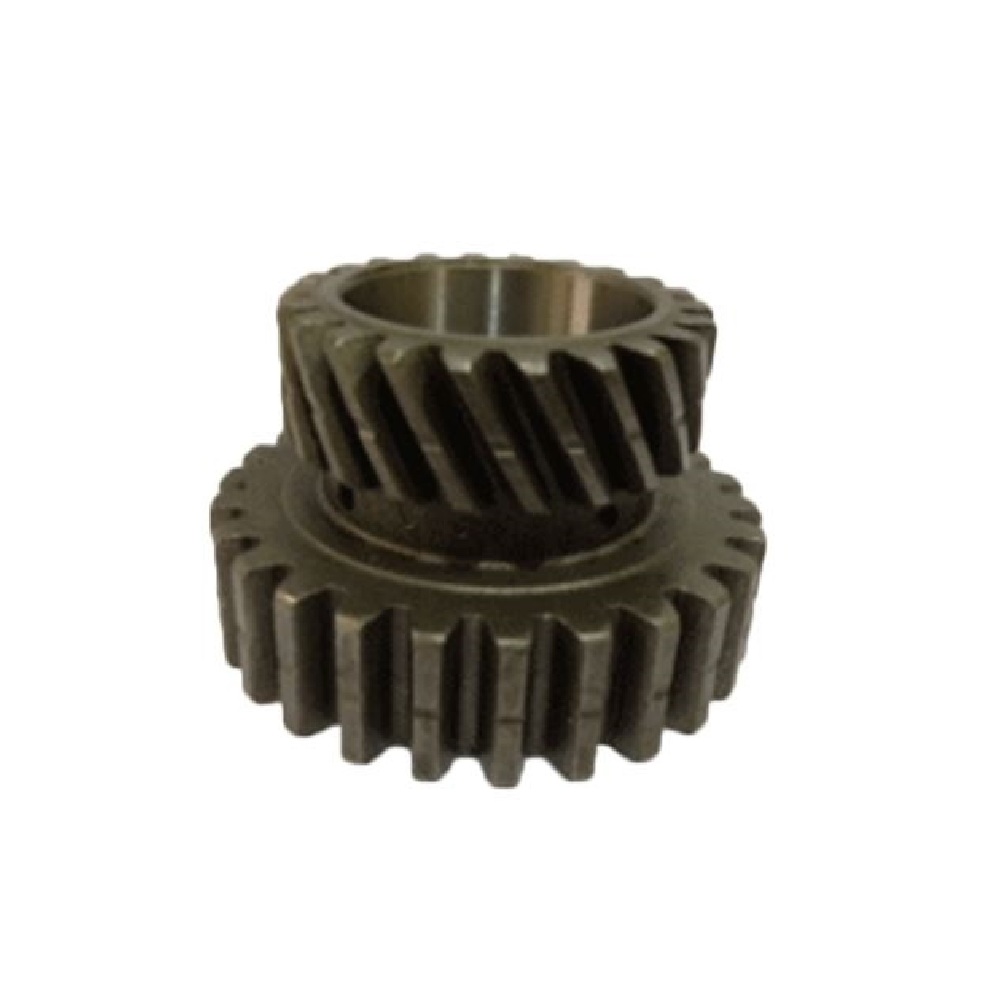
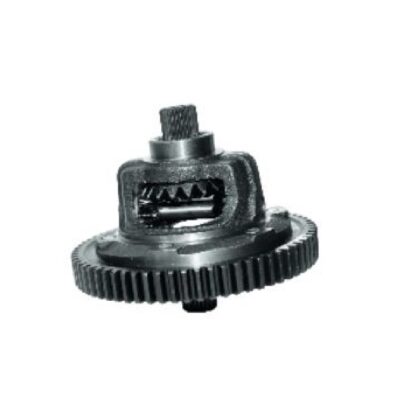
The Engine Gear is a crucial component in the internal mechanism of an engine. It plays a central role in synchronizing various engine functions such as valve timing, crankshaft, and camshaft movement. Engine gears are built for high precision and durability to ensure optimal engine performance.
Functionality:
-
Transmits rotational motion from the crankshaft to other engine parts like the camshaft, oil pump, and timing mechanism
-
Maintains accurate valve timing for proper intake and exhaust
-
Helps regulate fuel injection and ignition timing in modern engines
-
Supports smooth engine operation by reducing gear backlash and vibration
Key Features:
-
Made from hardened steel or alloy material
-
Precision-cut teeth for accurate meshing and timing
-
Heat-treated for high wear resistance
-
Available in various types (spur gear, helical gear, timing gear)
-
Engineered to withstand high RPM and thermal stress
Applications:
-
Internal combustion engines in cars, trucks, motorcycles, and tractors
-
Used in timing gear trains, oil pump drives, and camshaft drives
-
Applicable in both petrol and diesel engines
-
Found in marine, agricultural, and construction machinery as well
Advantages:
-
Ensures accurate engine timing and efficiency
-
Enhances engine performance, power delivery, and fuel economy
-
Reduces engine noise, wear, and vibration
-
Contributes to longer engine life and smoother operation
-
Designed for high durability under extreme engine conditions
Reviews
There are no reviews yet.